Discover
Gomezplein
The story of the square at the heart of Punda — and the man whose vision shaped modern Curaçao.
The Man Behind Gomezplein
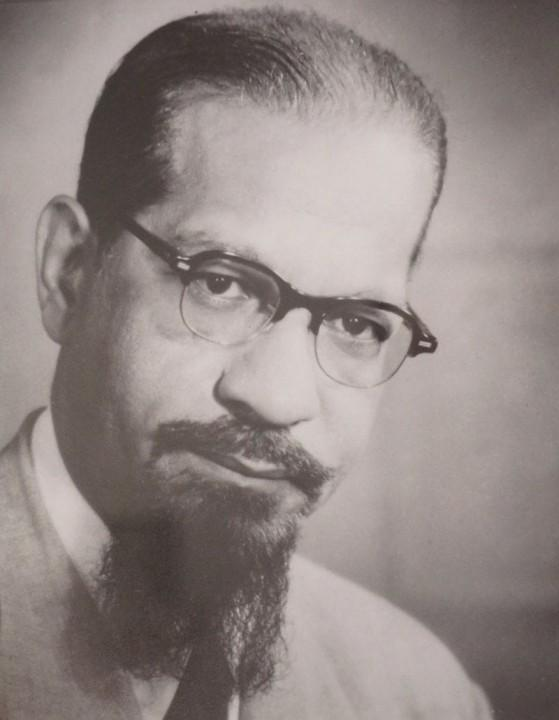
Dr. Moises Frumencio da Costa Gomez
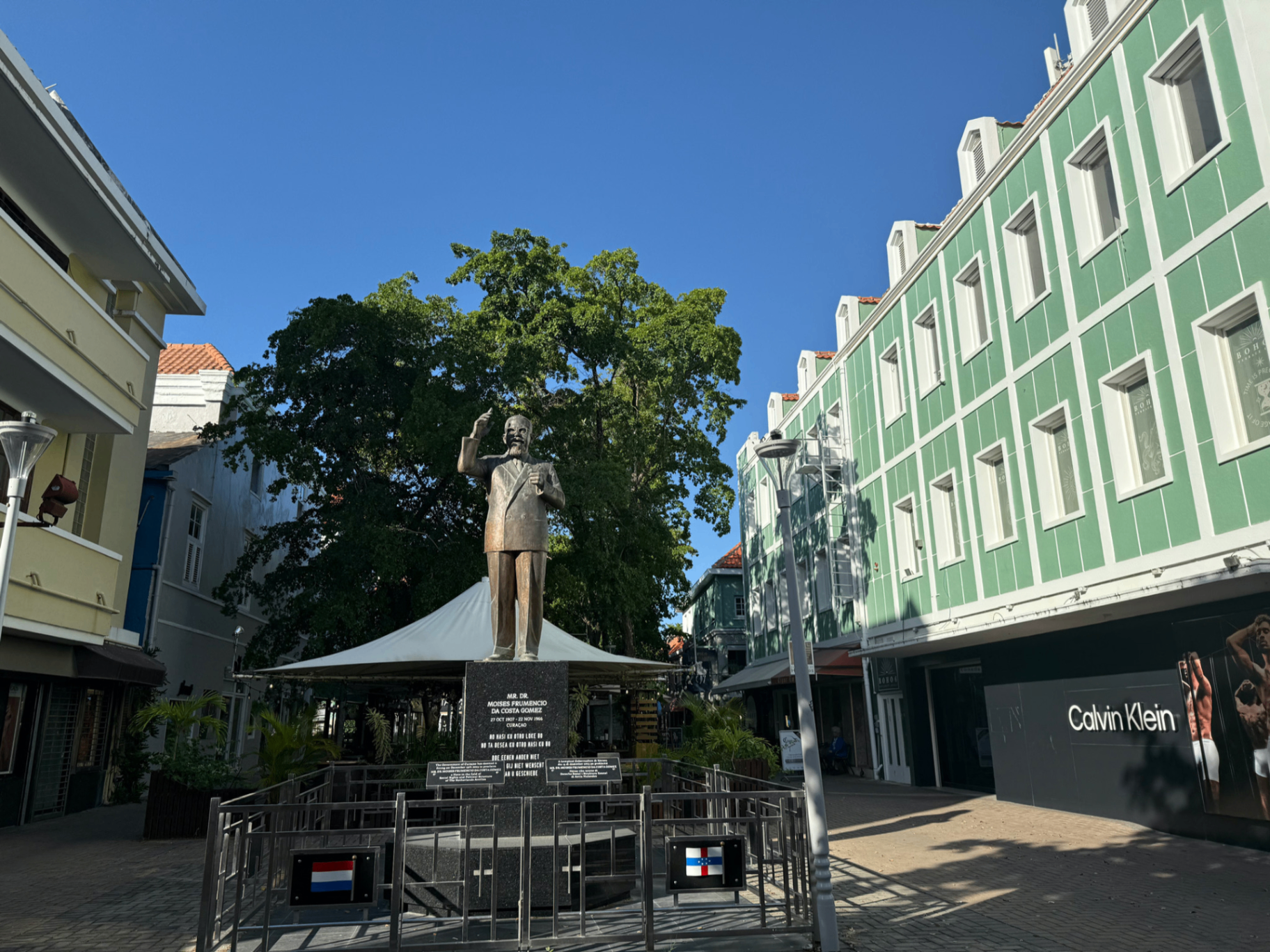
Standing proudly in the heart of Punda, the statue overlooking Gomezplein honors one of the most influential figures in Curaçao's history: Moises Frumencio da Costa Gomez.
Known affectionately by many simply as "Dòktor," Da Costa Gomez dedicated his life to advancing the interests of the people of Curaçao and the Dutch Caribbean. Born in Otrobanda in 1907, he became one of the first Curaçaoans to earn a doctorate in law and returned home with a vision that would forever change the political future of the island. His doctoral thesis argued for self-government and universal suffrage at a time when such ideas were considered revolutionary.
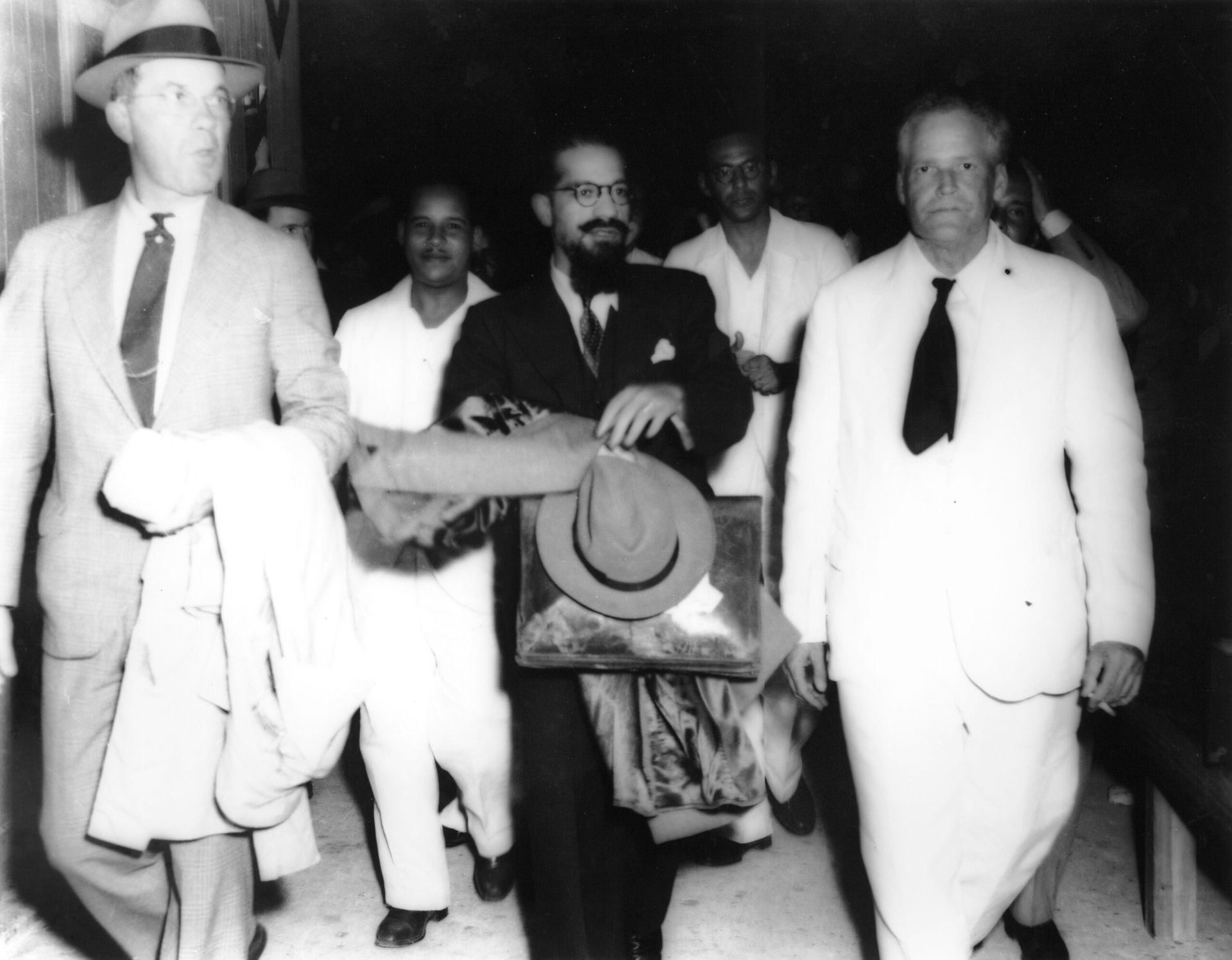
Throughout the 1940s and 1950s, Da Costa Gomez became the leading voice for greater political representation, social advancement, and autonomy. He founded the National People's Party and led negotiations that resulted in the Charter of 1954, granting the Netherlands Antilles a significant degree of self-government within the Kingdom of the Netherlands. Because of this achievement, he is often remembered as the "Father of Autonomy" and one of the architects of modern Curaçao.
Yet what made Dòktor unique was not only his political success — it was his connection to ordinary people. Contemporary accounts describe him as a leader who was as comfortable speaking with families in the countryside and working-class neighborhoods as he was negotiating with government officials. His goal was not merely constitutional reform but the social and economic advancement of the people of Curaçao, particularly those who historically had limited opportunities and representation.
The Spirit of Gomezplein
A Gathering Place for the Community
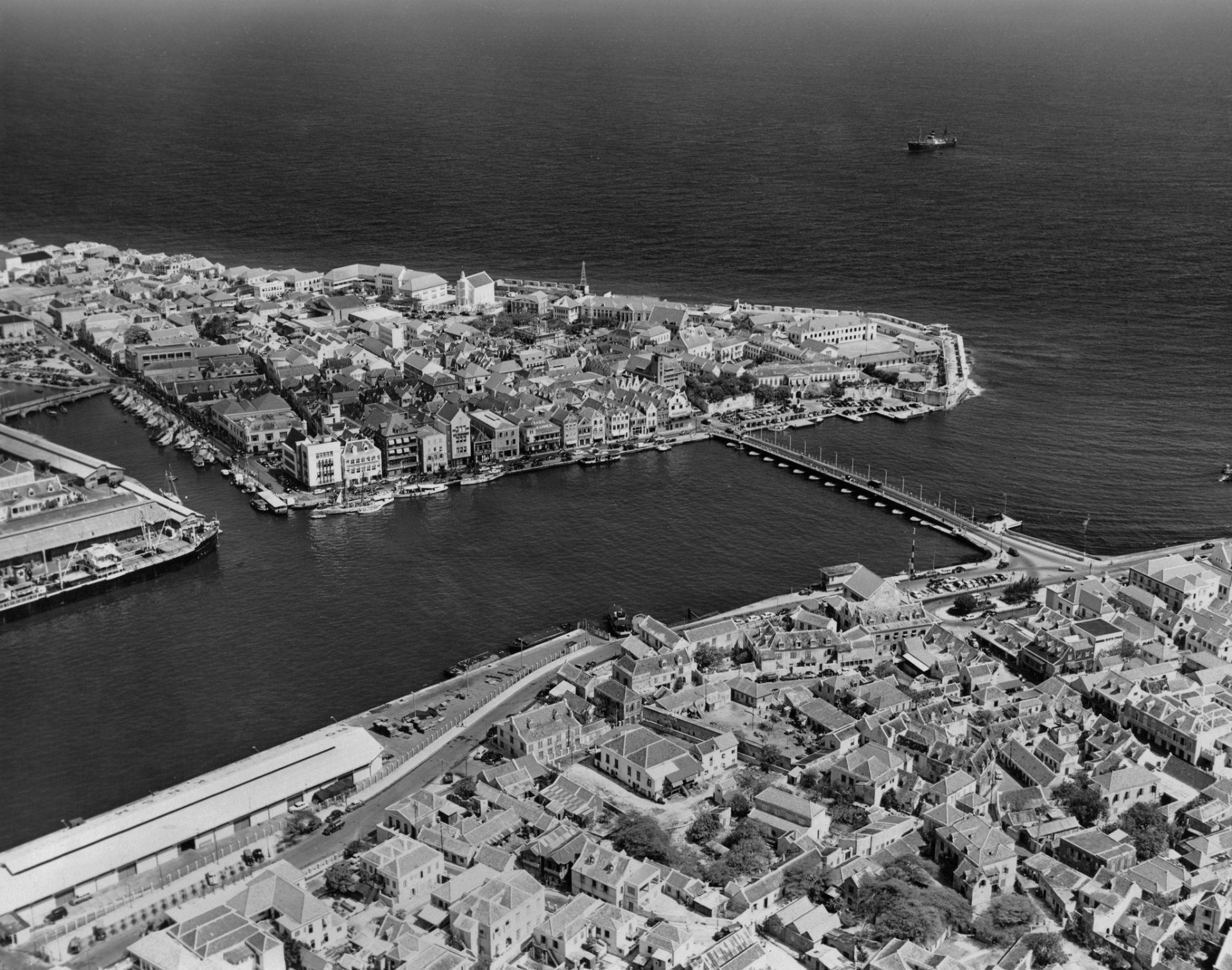
Today, the square that bears his name remains a gathering place for the community. Long before the rise of modern shopping centers and tourism districts, public squares and markets were where Curaçao's people met, traded, shared news, and built livelihoods. The market culture of Punda has always reflected the entrepreneurial spirit of the island — small vendors, artisans, fishermen, farmers, musicians, and families creating opportunities through hard work and determination.
That spirit closely reflects the values championed by Da Costa Gomez. He believed that progress should create opportunities not only for the privileged but for all citizens. His advocacy for broader participation in society helped lay the groundwork for generations of Curaçaoans to pursue education, entrepreneurship, and economic independence.
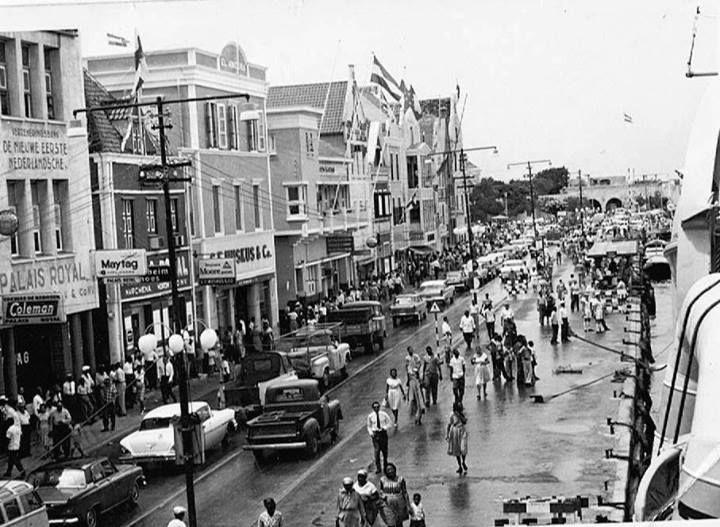
From Dòktor's Vision
To Today's Market
The Gomezplein Market celebrates exactly what makes Curaçao special: local talent, creativity, resilience, and community. Every artisan selling handmade products, every musician performing for visitors, every entrepreneur launching a small business, and every family sharing local culture contributes to a tradition that has defined Punda for generations.
While the market may look different today than it did in the 1950s, its purpose remains remarkably similar: creating opportunities for people to improve their lives through their skills, ideas, and hard work. In that sense, the Gomezplein Market is more than an event — it is a living expression of the values that Da Costa Gomez fought for throughout his life.
BOHO6 & Gomezplein
Proud to Be Part of This Historic Square
Located directly on Gomezplein, BOHO6 welcomes visitors from around the world every day to experience Curaçaoan hospitality, cuisine, culture, and community — in the very place named after one of the island's greatest leaders.
As you enjoy a coffee, lunch, dinner, or cocktail with us, take a moment to visit the statue nearby and reflect on the legacy of a man who believed Curaçao's future would be built by empowering its people.
More than half a century after his passing, the square remains alive with exactly what he valued most: people coming together, creating opportunities, and building a stronger community.